

 Florida

 Policyholder Login
When Nature’s Most Violent Storms Strike
Tornadoes can happen almost anywhere in North America and strike with little to no warning. They are fast-moving windstorms with rotating columns of air that can exceed 200 mph. Smaller but often more destructive than hurricanes, they are often tied to severe thunderstorms and hurricanes and pose a significant threat, especially during storm season.
Tornado Safety in the Sunshine State
Most known for its hurricanes, Florida actually has more tornadoes per 10,000 square miles than any other state, including those in “Tornado Alley”. Although Florida tornadoes rarely reach top-end strength, they can still be destructive. An additional dangerous characteristic comes from the fact that tornadoes can develop during any time of the day, meaning people could be sleeping and not receive urgent weather warnings. Tornadoes can uproot trees, move cars, down power lines, injure those in its path, and damage homes.
Being prepared is key to keeping your home and family safe. Here’s what you need to know to stay ready for these unpredictable storms.
What’s the difference between a Tornado Watch and a Tornado Warning?
A Tornado Watch means that conditions are favorable for a tornado to form. It doesn’t necessarily mean one is happening, just that the atmosphere could produce them. During a Tornado Watch, it’s important to make sure you are monitoring weather alerts and listening to the radio or TV for updates. It’s also a good time to move cars and lawn furniture inside to minimize potential damage.
A Tornado Warning means a tornado has actually been spotted or detected on radar and you should seek shelter immediately.
If you live in a home or condo
The safest place to be is the basement. If that is not an option, take cover in a centrally-located room with no windows on the lowest level of your home, such as a bathroom, closet, or hallway.

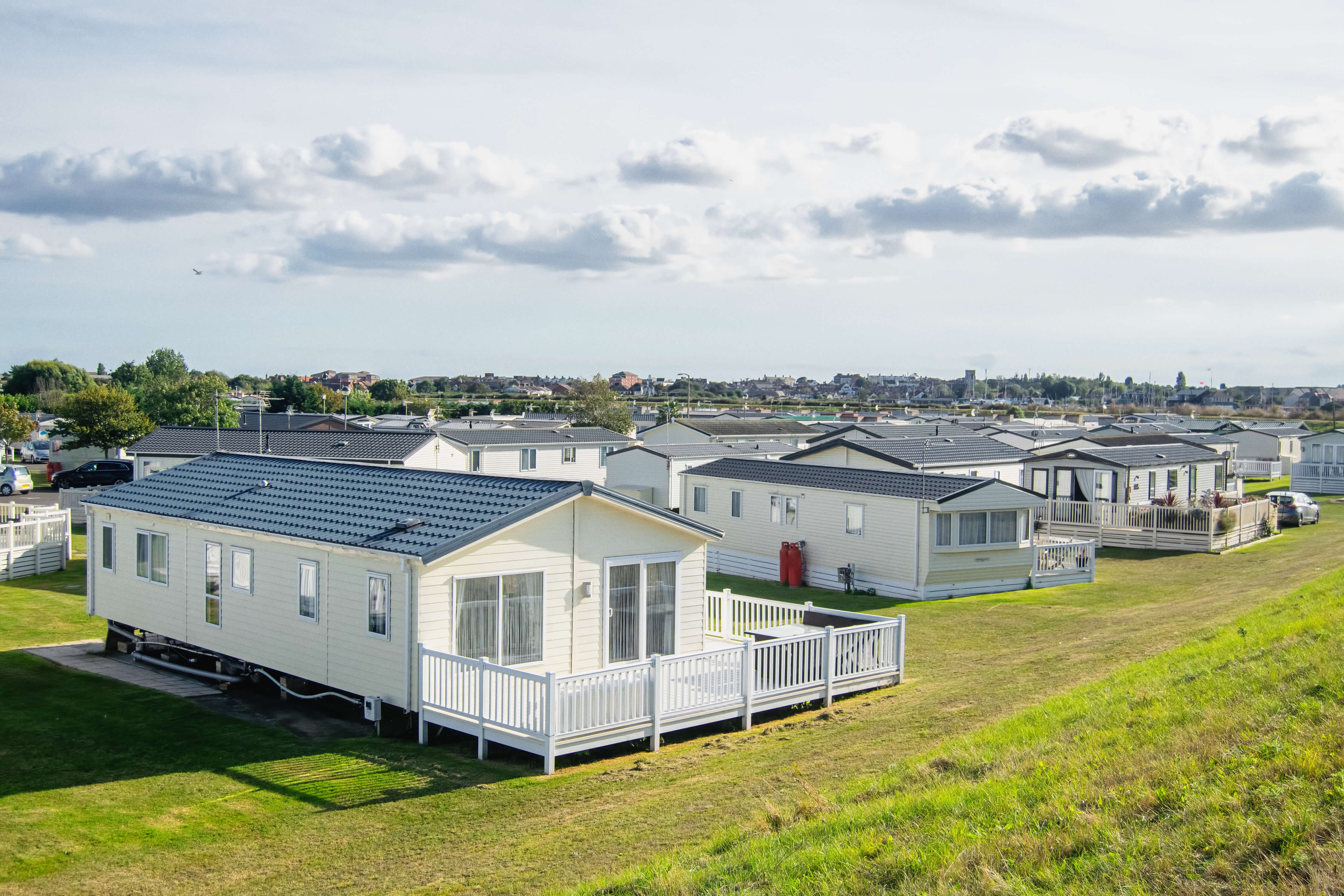
If you live in a manufactured home
seek cover elsewhere – such as a relative’s home or a community building – before weather conditions deteriorate. Manufactured homes are not built to sustain tornado conditions. If there is no time, you are safer outside than in your manufactured home.
Preparing Your Home for Tornadoes
Making sure you’ve taken precautions before a tornado risk is crucial for protecting your home and family.
Prepare Your Property
Identify a Shelter
The safest place in your home during a tornado is a small, windowless room on the lowest floor, such as a basement, storm cellar, or interior bathroom or closet. If you don’t have a basement, choose an interior room away from windows and doors to the outside.
If possible, reinforce your safe room with additional support, such as steel or concrete, to withstand high winds and flying debris.
Secure Loose Items
Securely anchor outdoor furniture to the ground, if possible. Store outdoor toys and tools in a secure location to prevent them from becoming dangerous projectiles.
Trim Trees and Shrubs
Keep your yard clear of dead or weak trees and branches that could be blown around during a tornado.
Assemble an Emergency Kit
Pack the Essentials
Include water, non-perishable food, pet supplies, medications, flashlights, batteries, and a first-aid kit. Ensure you have enough supplies to last at least three days.
Secure Important Documents
Store copies of critical documents like insurance policies, birth certificates, and passports in a waterproof container.
Gather Safety Supplies
Add a whistle to signal for help, a dust mask to filter contaminated air, and sturdy shoes in case you need to walk through debris.
Develop a Family Communication Plan
Identify Emergency Contacts
Ensure everyone in your family knows how to reach each other during an emergency.
Designate a Meeting Spot
Choose a safe location where your family can meet if you get separated or can’t return home right away.
Know the Warning Signs
Familiarize your family with the signs of an approaching tornado, such as a dark, greenish sky, large hail, and a loud, roaring noise similar to a freight train.
Riding Out a Tornado
When a tornado is imminent, your top priority is to protect yourself and your loved ones.
Take Immediate Shelter
Go to Your Safe Room
As soon as a tornado warning is issued or you see signs of a tornado, move to your designated safe room. This should be a small, windowless interior room on the lowest floor of your home.
Cover Yourself
Protect your head and neck from flying debris by using heavy blankets, pillows, or even a mattress. If you have a helmet, put it on.
Stay Informed
Use a battery-powered or hand-crank radio to keep updated on the storm’s progress and to know when it’s safe to come out of your shelter.
Avoid Dangerous Situations
Stay Away from Windows
Windows can shatter due to high winds, turning glass into dangerous projectiles. Stay in the center of your home, away from any windows or glass doors.
Stay Low and Hold On
If you’re in your safe room, crouch down as low as possible, covering your head with your hands. Hold onto something sturdy, if possible.
Develop a Safety Plan
Indoor Safety
Teach everyone in your household the safest places to be during a lightning storm, such as away from windows, doors, and electrical appliances. Avoid plumbing and anything connected to electricity, like TV cables.
Communication
Have a plan for how you’ll communicate with each other if you’re not all home when a storm hits. Make sure everyone knows where to go and what to do.
Monitor Weather Conditions
Keep an eye on the weather forecast, especially during thunderstorm season. Sign up for local weather alerts on your phone to get real-time updates on storm developments.