

 Florida

 Policyholder Login
Bracing for the Storm
Some of nature’s most intense and destructive events can be attributed to windstorms and hurricanes. The best defense against a windstorm or hurricane is a great offense: make sure you have a plan!
What’s the Difference Between Hurricanes and Windstorms?
Both hurricanes and windstorms involve powerful winds, but each has unique features and risks to be aware of to protect your home and family. It’s important to have a checklist of practical steps for before, during, and after a storm to protect your home and family. A good place to start, is by assessing your risk and evaluating your home insurance policy.
Hurricanes
These massive storms develop over warm ocean water and have sustained winds of at least 74 mph. With heavy rains, storm surges, and strong winds, hurricanes can cause widespread damage. They are typically likely to occur during “hurricane season” which runs from June 1 to November 30. Fortunately, hurricanes are tracked for days and even weeks, making them easier to prepare for.
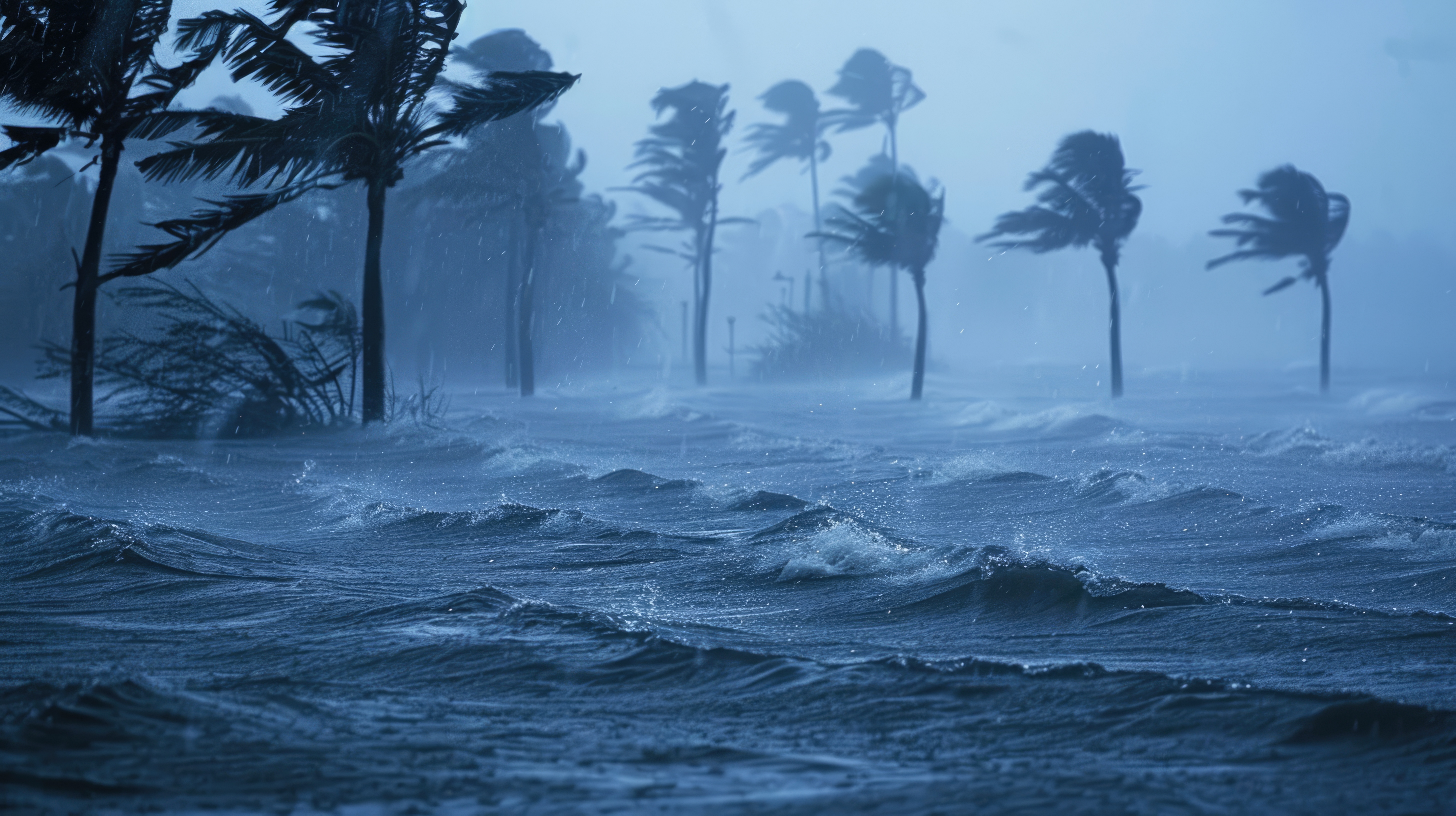
Windstorms
Different from hurricanes because they can happen virtually out of nowhere, windstorms can be triggered by weather changes like thunderstorms or cold fronts. These storms typically have wind speeds of 40 to 70 mph, but stronger gusts are possible.

Understand Your Risk and Your Home Insurance Policy
Learn about the storm risks in your area and review your home insurance policy with your agent to ensure you have adequate coverage. Be aware of what your deductible is and have a plan in place for how to pay it if necessary.
Don’t forget, too, that standard homeowner’s insurance policies do NOT cover flood loss, and federal flood insurance policies have a 30-day waiting period before they go into effect. American Integrity’s Flood Endorsement has no waiting period and offers better coverage and lower rates compared to the NFIP. Speak with your agent about our flood coverage today.
Learn More About Our Flood CoveragePreparing Before
Whether it’s a hurricane, or a windstorm, proactively preparing can make all the difference in keeping your home and family safe.
Strengthen Your Home
Reinforce Doors
Strengthen your doors, especially the garage door, to better withstand high wind pressure and protect your home from impact. Make sure exterior doors have at least three hinges with a dead bolt lock one-inch long or more.
Roof Inspection
Check your roof for loose or damaged shingles and secure or replace them. Consider adding hurricane straps or clips to help your roof stay attached to the walls.
Install Protection
If you live in an area prone to hurricanes, consider installing a reinforced garage door and impact-resistant windows to better protect your home.
Prepare an Emergency Kit
Stock Up on Essentials
Have enough water, non-perishable food, medications, pet food, and other essentials to last at least three days. Don’t forget to include a first-aid kit, flashlights, extra batteries, and mobile device chargers.
Safeguard Important Documents
Store copies of vital documents like insurance policies, birth certificates, and passports in a waterproof container that’s easy to grab in an emergency.
Include Tools and Supplies
Add items like a battery-powered or hand-crank radio, a multi-tool, and portable phone chargers to your kit.
Create a Home Inventory
Having a complete record of your property will help speed up the claims process and helps ensure that you are reimbursed for your belongings. This can easily be captured with a smartphone or video camera.